
EPRA Holds Fuel Prices Steady for September–October Despite Diesel Import Cost Surge
Super petrol, diesel and kerosene unchanged at the pump even as landed diesel costs jumped 11.86 percent.

INFINITY254 MEDIA
Columnist · 14 September 2026, 1:00 PM EAT
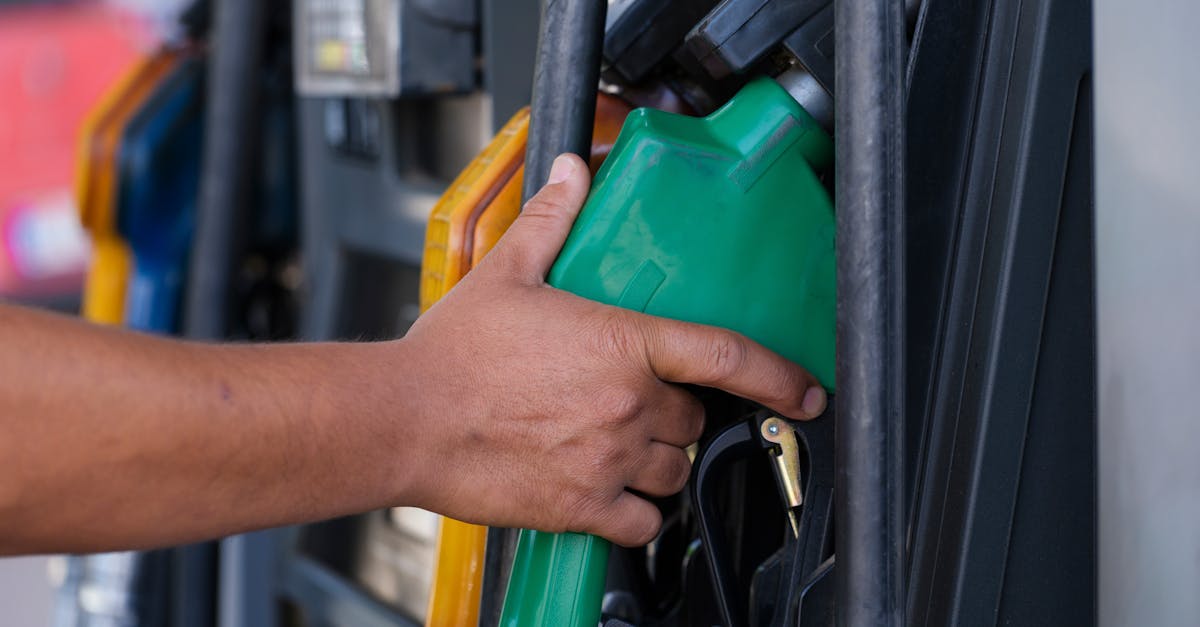
Kenyans filling up at the pump this month will pay the same price they did last month — a relief that comes not from falling global markets but from a government decision to absorb rising costs rather than pass them on to consumers already stretched by inflation.
EPRA Acting Director General Joseph Oketch announced on Sunday that maximum retail prices for super petrol, diesel and kerosene would remain unchanged for the period running from September 15 to October 14, 2026. The move spares commuters, matatu operators and transporters from what could have been a painful hike.
Behind the decision is a significant shift in international landed costs. Diesel surged 11.86 percent — from USD 855.59 to USD 957.05 per cubic metre — while kerosene rose 9.71 percent from USD 915.01 to USD 1,003.87 per cubic metre. Super petrol, however, moved in the opposite direction, dropping modestly. The regulator blended these shifts into a flat pump price outcome, backed by government stabilisation support of Sh938 million.
For the transport sector, the announcement landed as a genuine relief. Matatu Owners Association chairman Simon Kimutai said operators had been dreading a repeat of last year's back-to-back price increases that forced route fare hikes. "When fuel prices go up, we have no choice — we pass it on to passengers. When they stay flat, everyone breathes," he said.
The stability will also help manufacturers. Kenya Association of Manufacturers data shows that energy costs account for between 15 and 30 percent of production costs for mid-sized factories, meaning fuel price volatility creates significant planning challenges.
However, economists warn that the stabilisation fund approach has limits. "The government is using taxpayer money to delay a market correction. That is sometimes the right call — but if global prices stay high into October, the reckoning will come and it will be sharper," said economic consultant Dr Patricia Nyamai.